

 See My Latest Article on HelloNation
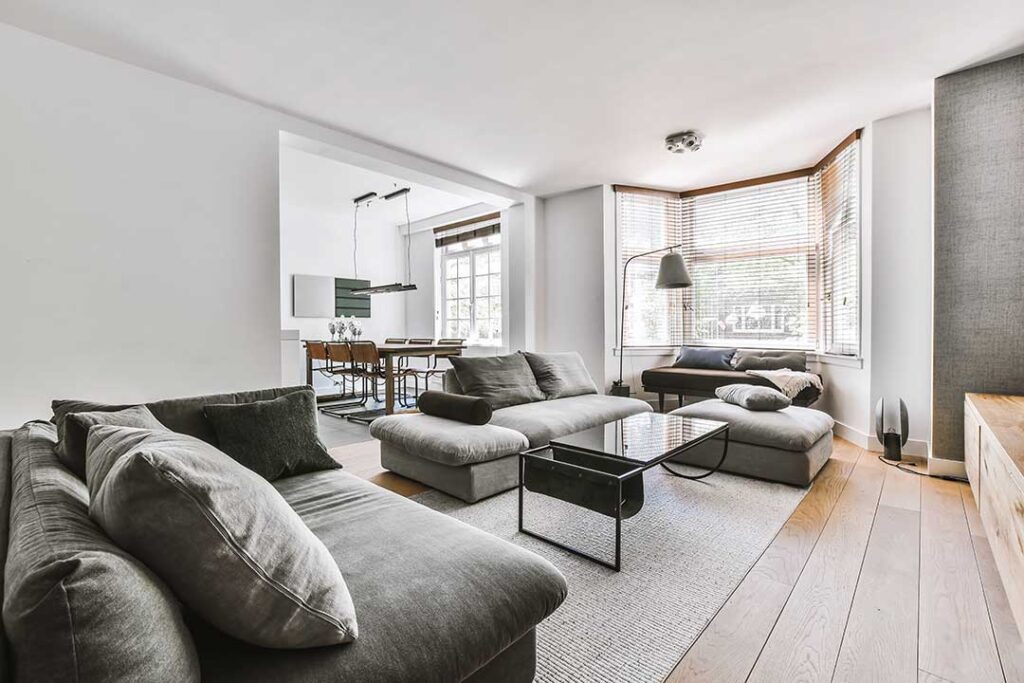
Virtual tours have changed how people evaluate real estate before making an in-person visit. A buyer can now move through rooms, inspect sightlines, compare layouts, and identify questions from a phone or computer before traveling to a property.
For residents and prospective buyers in Snowshoe, WV, that convenience can matter even more than it does in many other markets. Seasonal weather, mountain roads, distance between properties, and the limited time available during a visit can make early screening especially useful. Virtual tours do not replace an in-person inspection, but they can make the search process more efficient and more informed.
What is a virtual real estate tour?
A virtual tour is a digital presentation that allows viewers to explore a property remotely. It may use panoramic photography, connected still images, video, or a three-dimensional model that lets the viewer move from room to room.
These formats are not identical:
- A prerecorded video follows a set path chosen by the person filming.
- A panoramic tour allows viewers to look around from fixed points.
- A three-dimensional model may allow movement through the property and provide measurements.
- A live video tour lets someone walk through the home while answering questions in real time.
The more interactive the format, the more control the viewer has over where to look. That can reveal details that a short listing video may not show, such as narrow passageways, room connections, window placement, storage areas, or the relationship between indoor and outdoor spaces.
Why are virtual tours useful in a mountain community?
Virtual tours reduce unnecessary travel and help people decide whether a property deserves a closer look. This can be valuable where weather, terrain, and seasonal traffic affect how easily someone can visit.
A remote viewer may be comparing a condominium, a cabin, a townhome, or another property type from several hours away. A detailed tour can help answer basic questions before arranging an in-person visit:
- Does the layout fit the intended household or guest use?
- Are bedrooms located near living areas or separated for privacy?
- Is there enough room for winter clothing, recreational equipment, or supplies?
- Does the entrance appear practical during snow and ice?
- Are stairs, hallways, and doorways suitable for the household?
- Does the property feel compact, open, private, or heavily connected to neighboring units?
In-person visits remain necessary, but virtual screening can prevent time being spent on properties that clearly do not match a buyer’s needs.
What can a virtual tour reveal that photos may miss?
Still photographs usually emphasize the most attractive parts of a property. A virtual tour provides more context because it shows how spaces connect.
For example, photos may show a living room and kitchen separately without making the distance between them obvious. A tour can reveal whether the rooms are open to one another, separated by a hallway, or arranged on different levels. It can also make it easier to understand ceiling height, window direction, circulation, and the size of adjoining spaces.
Virtual tours may also help viewers notice:
- Uneven transitions between flooring surfaces
- Limited natural light in certain rooms
- Low ceilings or tight stairways
- The location of mechanical equipment
- Small closets or limited storage
- Proximity to neighboring buildings
- Whether outdoor areas are private, shared, steep, or difficult to access
The tour is most useful when viewers slow down rather than simply clicking through quickly.
Can a virtual tour show the true condition of a property?
No. A virtual tour can show appearance and layout, but it cannot confirm the complete physical condition of a property.
Lighting, camera angles, image quality, and editing may make rooms appear larger, brighter, or more finished than they feel in person. A camera may also pass over details that deserve closer attention. Moisture, odors, drafts, noise, surface damage, and mechanical problems are generally difficult or impossible to evaluate remotely.
In a snowy, mountainous environment, a tour may not clearly show how water drains from a roof, how snow accumulates near an entrance, or how a driveway and walkway function during difficult weather. It may also be recorded during a season that does not reflect the conditions a buyer will experience later.
A virtual tour should be treated as a screening and orientation tool, not as a substitute for an inspection, disclosures, documents, or direct observation.
What should buyers look for during a virtual tour?
A useful viewing process begins with practical questions rather than decoration. Buyers should consider how the property would function during an ordinary week, not only how it appears in carefully framed views.
Look for:
- The number and location of entrances
- Stairways, landings, and changes in floor level
- Room dimensions compared with existing furniture
- Closet, pantry, and equipment storage
- Window placement and the amount of visible daylight
- Heating equipment and the apparent location of controls
- Bathroom ventilation and kitchen work space
- Parking access and the path from vehicles to the entrance
- Exterior surfaces that may require maintenance
- Shared walls, nearby units, or visible common areas
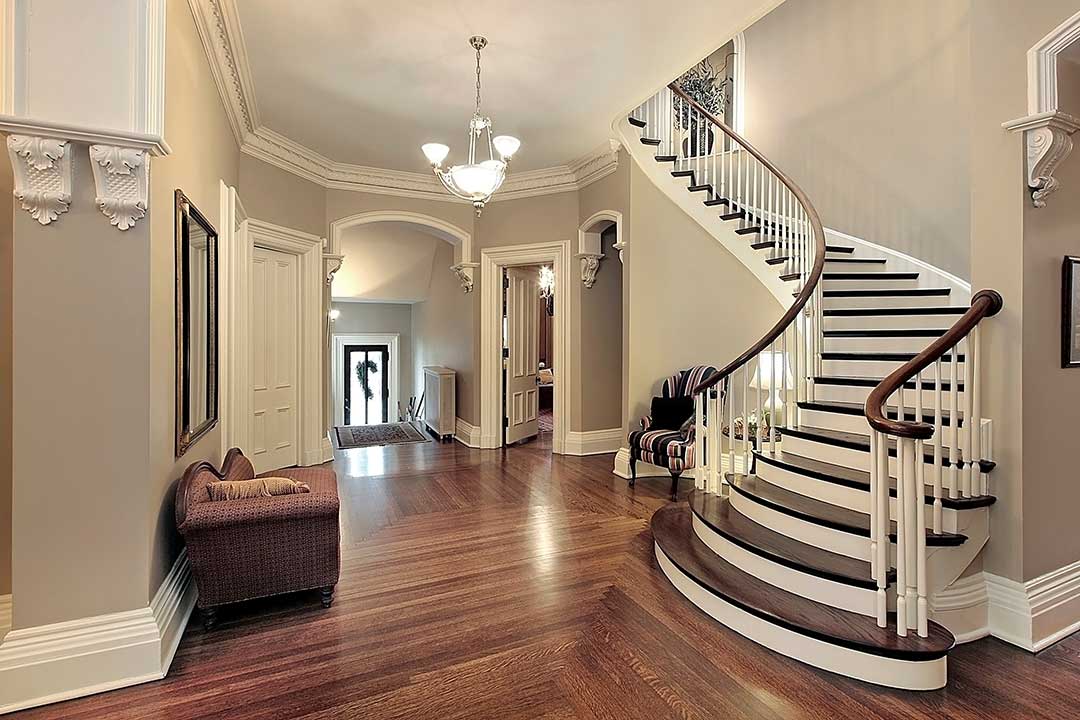
It can help to keep a written list of questions while moving through the tour. Measurements should be confirmed independently because digital models can contain errors, and a camera may create visual distortion.
How do virtual tours affect sellers and property presentation?
Virtual tours have made property presentation more transparent, but they also create pressure to prepare spaces carefully. A home that looks acceptable in still photos may feel less functional when viewed continuously from room to room.
Preparation often includes removing unnecessary clutter, opening interior pathways, turning on suitable lighting, and making sure important spaces are visible. Concealing a problem does not make it disappear; viewers may become more concerned if rooms, storage areas, or exterior features are omitted.
Accurate tours should show the property as it generally exists rather than presenting only an idealized version. If major changes occur after the tour is created, such as renovations, damage, or altered furnishings, the digital material may no longer provide a reliable picture.
Are virtual tours useful for rental or second-home decisions?
Yes, particularly for people who will not occupy the property full time. A remote viewer may use a tour to assess whether the layout works for short stays, family visits, storage needs, or periods when the property is unoccupied.
The tour can also prompt questions about responsibilities and operating conditions. For example, viewers may need to understand who handles snow removal, exterior upkeep, utilities, shared-area maintenance, access during severe weather, and emergency issues. These matters cannot be settled by visual presentation alone, but the tour can identify what needs further investigation.
For a second home, practical details may matter more than finishes. Entry access, durable surfaces, storage, heating controls, and the ability to monitor the property remotely can have a greater effect on ownership than the appearance of a staged living room.
What should buyers do after taking a virtual tour?
After viewing a property remotely, separate confirmed observations from assumptions. Write down what was clearly visible, what seemed uncertain, and what requires direct verification.
Useful follow-up questions may involve:
- Recent changes to the property
- The age and condition of major systems
- Water management and winter access
- Parking, storage, and shared-area rules
- Measurements that affect furniture or equipment
- Noise, privacy, and neighboring properties
- Any areas not included in the tour
An in-person visit should focus on these unresolved points rather than repeating what the virtual tour already established. Walking through the property at a normal pace, viewing it from different angles, and observing the surrounding setting can provide information that digital tools cannot reproduce.
Virtual tours are changing real estate by moving part of the decision-making process earlier and farther from the property itself. Used carefully, they help people understand layout, narrow choices, and prepare better questions. Used alone, they can create false confidence. The most reliable approach combines digital viewing with documentation, direct observation, and a realistic understanding of how the property functions through changing seasons.