

 See My Latest Article on HelloNation

Which home improvements usually provide the strongest return?
The improvements with the most dependable return are usually the ones that protect the home, reduce operating costs, and make everyday use easier. In Snowshoe, WV, that often means prioritizing weather resistance, energy efficiency, moisture control, and practical storage before investing in highly personalized design features.
Return on investment does not always mean recovering every dollar spent. A project can provide value by increasing resale appeal, reducing future repair concerns, improving comfort, or helping a property compete with similar homes.
Why local conditions should guide the renovation plan
Homes in this mountain community face extended cold-weather conditions, heavy snow, freeze-and-thaw cycles, wind, and moisture. These factors can affect roofs, siding, windows, doors, decks, driveways, drainage systems, plumbing, and heating equipment.
A renovation that performs well in a milder climate may not be the best financial choice here. For example, a decorative exterior upgrade may have less resale impact than improved water management, durable entry areas, or better insulation.
Before starting any project, consider:
- How the improvement will perform through winter
- Whether snow and ice will make maintenance difficult
- Whether the work addresses a visible problem or only changes appearance
- How the improvement compares with other homes buyers may consider
- Whether approvals, permits, or community design requirements apply
Properties subject to architectural review may require approval before exterior alterations, remodeling, site work, or changes to visible features begin.
Is improving the roof a good investment?
Roof maintenance and replacement can be among the most valuable improvements because buyers are cautious about properties with possible water intrusion or limited roof life. A sound roof protects insulation, ceilings, framing, finishes, and personal belongings.
For mountain homes, the evaluation should include more than the shingles or metal surface. Important details include:
- Flashing around chimneys, vents, and roof intersections
- Ice and snow management
- Attic ventilation
- Insulation depth
- Signs of leaks or condensation
- Gutters, downspouts, and drainage paths
- Areas where snow accumulates against the structure
A full replacement may not be necessary if repairs and preventative maintenance can resolve the problem. However, postponing known roof issues can reduce both buyer confidence and the eventual sale price.
Do energy-efficiency improvements add resale value?
Energy improvements can provide value through lower utility costs, improved comfort, and a clearer record of responsible maintenance. In a cold, elevated setting, reducing drafts and heat loss is particularly useful.
The most practical upgrades often include air sealing, attic insulation, properly insulated exterior walls, efficient heating equipment, and high-quality weatherstripping around doors and windows. These improvements should be evaluated as a system rather than as isolated projects.
Replacing windows can help, but it is not automatically the highest-return energy project. If existing windows are serviceable, air sealing and insulation may produce greater comfort for the money. New windows become more compelling when the current units are damaged, difficult to operate, visibly drafty, or near the end of their useful life.
Keep documentation for energy-related work, including installation dates, warranties, equipment specifications, and utility information. Clear records help explain the improvement to a future buyer.
Which exterior improvements are most worthwhile?
Exterior projects tend to perform best when they improve durability and first impressions at the same time. Fresh, well-maintained siding, sound trim, secure doors, and a clean entry area can make a home appear better cared for without creating an overly customized look.
In this environment, buyers may pay close attention to:
- Siding that resists moisture and winter wear
- Properly sealed exterior joints
- Decks and stairs with stable railings
- Slip-resistant walking surfaces
- Exterior lighting near entrances
- Drainage that directs water away from the foundation
- Driveways and walkways that remain usable during snow and ice
Landscaping should be practical rather than maintenance-heavy. Grading, drainage, durable plantings, and clear access can contribute more value than elaborate gardens that are difficult to maintain during the colder months.
Is a kitchen remodel worth the cost?
A kitchen update can improve resale appeal, but a complete luxury remodel often carries more financial risk than a moderate renovation. Buyers usually respond well to clean, functional kitchens with durable surfaces, adequate lighting, useful storage, and appliances that fit the space.
Higher-value updates may include:
- Replacing damaged countertops
- Repairing or refinishing serviceable cabinets
- Improving task lighting
- Adding organized pantry or cabinet storage
- Replacing worn flooring with durable material
- Updating outdated fixtures
- Improving ventilation where needed
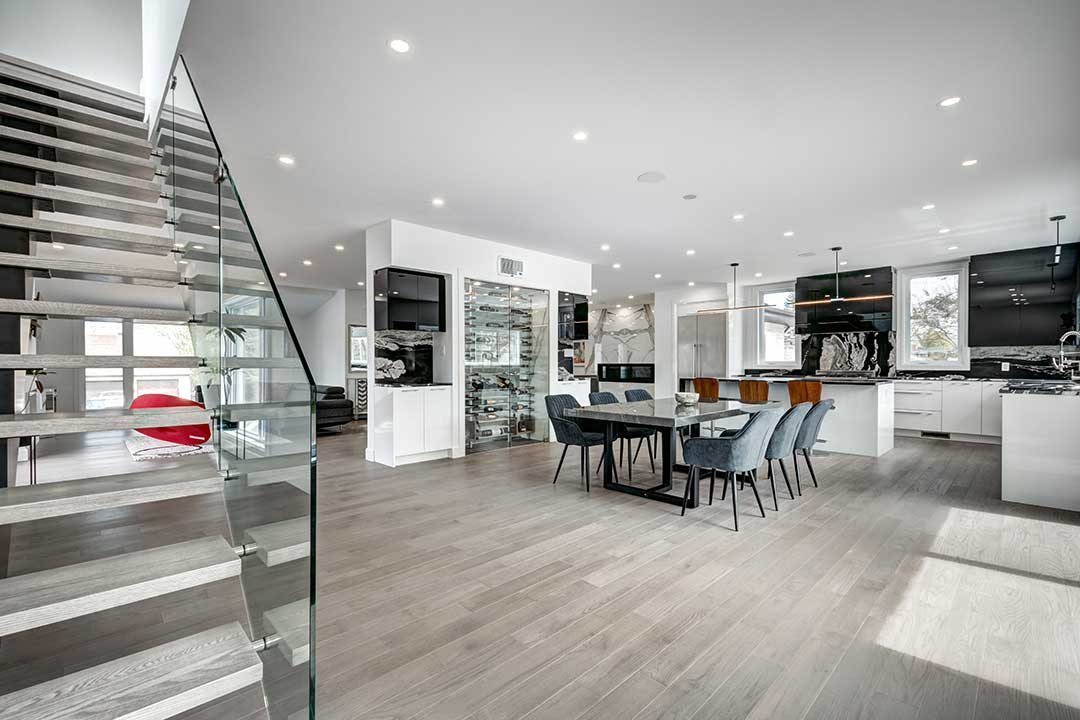
Avoid designing the room around a narrow personal preference. Neutral finishes and practical layouts generally appeal to more buyers and are less likely to look dated.
What bathroom improvements usually pay off?
Bathrooms benefit from improvements that address function, cleanliness, and water management. A modest update can be worthwhile if it corrects worn finishes, poor ventilation, outdated fixtures, or signs of moisture damage.
Useful projects include improving exhaust ventilation, replacing failing caulk and grout, updating lighting, repairing leaks, and installing durable flooring. If a bathroom has poor access or limited storage, small layout changes may provide more value than expensive decorative materials.
Any sign of hidden water damage deserves attention before cosmetic work begins. Covering moisture problems with new finishes can create a larger and more expensive issue later.
Does adding storage improve a home’s value?
Yes, particularly in homes used for seasonal recreation or extended winter stays. Buyers often need practical places for coats, boots, outdoor equipment, cleaning supplies, linens, and maintenance tools.
High-value storage improvements may include:
- A well-organized entry or mudroom
- Built-in shelving
- Lockable owner storage where applicable
- A linen closet
- Utility-room organization
- Drying space for wet clothing and gear
- Dedicated storage for winter equipment
Storage should be designed around the home’s actual use. A small, durable entry zone can be more useful than an oversized formal room that receives little daily use.
Which improvements may not provide a strong return?
Projects with uncertain returns often include highly customized finishes, expensive additions, elaborate entertainment spaces, and renovations that exceed the expectations of nearby properties. Removing functional rooms, choosing unusual materials, or creating a layout that limits future use can also narrow the buyer pool.
A project may still be worthwhile for personal enjoyment, but that is different from expecting a strong resale return. Before spending, separate the goals: comfort, maintenance reduction, income potential, and resale value do not always point to the same project.
How should homeowners prioritize improvements?
Start with a condition-based review rather than a room-by-room wish list. Address safety concerns, active leaks, structural issues, failing systems, and moisture problems first. Next, consider improvements that reduce operating costs or prevent future damage.
A practical order is:
- Correct water intrusion and drainage problems
- Maintain or replace failing roofing and exterior components
- Improve insulation and air sealing
- Repair heating, plumbing, and electrical deficiencies
- Improve entry areas, storage, and lighting
- Refresh kitchens and bathrooms with moderate finishes
- Add decorative upgrades after essential work is complete
The strongest renovation plan is usually not the most expensive one. It is the plan that protects the property, fits local conditions, improves daily function, and remains understandable to the next owner.